April 15, 2026
kaya adnan

Building Dreams: Why Bedtime Stories are a Superpower for Toddlers
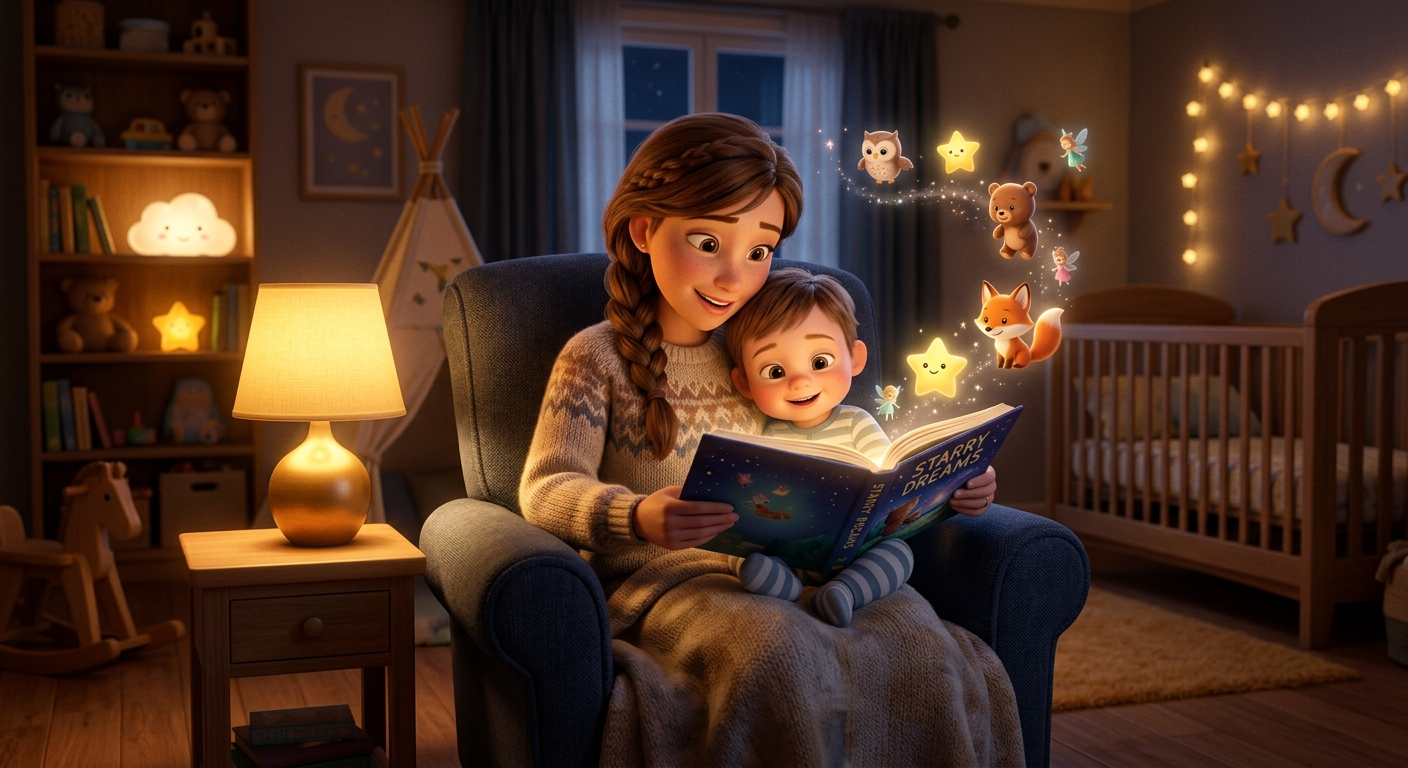
As the sun sets and the house begins to quiet down, there is a magical window of time that holds the power to transform your child’s development. The simple act of reading a story before bed is more than just a sweet tradition; it is a scientifically backed tool that supports both physiological rest and cognitive growth. For parents, this nightly ritual is an opportunity to slow down and connect, but for a toddler, it is a gateway to a world of language and dreams.
The Science of a Sound Sleep
In our fast-paced world, toddlers often struggle to "switch off" their busy minds. After a day of running, playing, and learning, the transition to sleep can be jarring. A consistent bedtime story acts as a powerful signal to the brain that the day is winding down. Unlike screens, which emit blue light that can suppress melatonin production and disrupt the circadian rhythm, physical books or soft-lit stories provide a calming sensory experience. When you sit close to your child, the physical proximity and the rhythmic, low-frequency sound of your voice work together to lower cortisol levels. This creates a sense of safety and predictability. A secure child is a child who falls asleep faster and stays asleep longer, moving into the deep, restorative phases of rest that are crucial for brain development.
Expanding Their World, One Word at a Time
Beyond sleep, the cognitive benefits are staggering. Research often highlights the "million word gap," suggesting that children who are read to regularly are exposed to significantly more words than their peers. While daily conversation is vital, it tends to be repetitive and limited to immediate needs. Books, however, introduce "rare words"—vocabulary that we do not typically use when asking for a snack or putting on shoes. When you read about enchanted forests, courageous knights, or vast galaxies, you are handing your toddler the building blocks of literacy. They begin to understand complex sentence structures and context clues. Even if they cannot pronounce words like "persistence" or "magnificent" yet, their brains are cataloging these sounds and meanings for future use.
The Ministori Edge: Personalization and Connection
At Ministori, we believe that engagement is the key to learning. When a child sees themselves as the hero of a story, their attention sharpens and their emotional connection to the narrative deepens. Personalized storytelling allows you to weave your child’s specific interests and name into the adventure, making the vocabulary lessons even more impactful. It turns a standard book into a cherished memory.
Practical Tips for a Better Bedtime
- Create a "Book Nook": Dedicate a soft, comfortable space for reading to signal the start of the routine.
- Engage with "Dialogic Reading": Don't just read the words; ask questions like "Where is the red bird?" or "How do you think the character feels?"
- Embrace Repetition: Toddlers love reading the same book repeatedly because it helps them master the language and predict what comes next, which builds confidence.
Tonight, remember that every page you turn is an investment in your child’s future. Happy reading!
Similar Posts
March 31, 2026
kaya adnan

March 25, 2026
kaya adnan

March 24, 2026
kaya adnan

March 20, 2026
kaya adnan
March 18, 2026
kaya adnan