March 24, 2026
kaya adnan
The Nightly Ritual: Why Bedtime Stories Matter
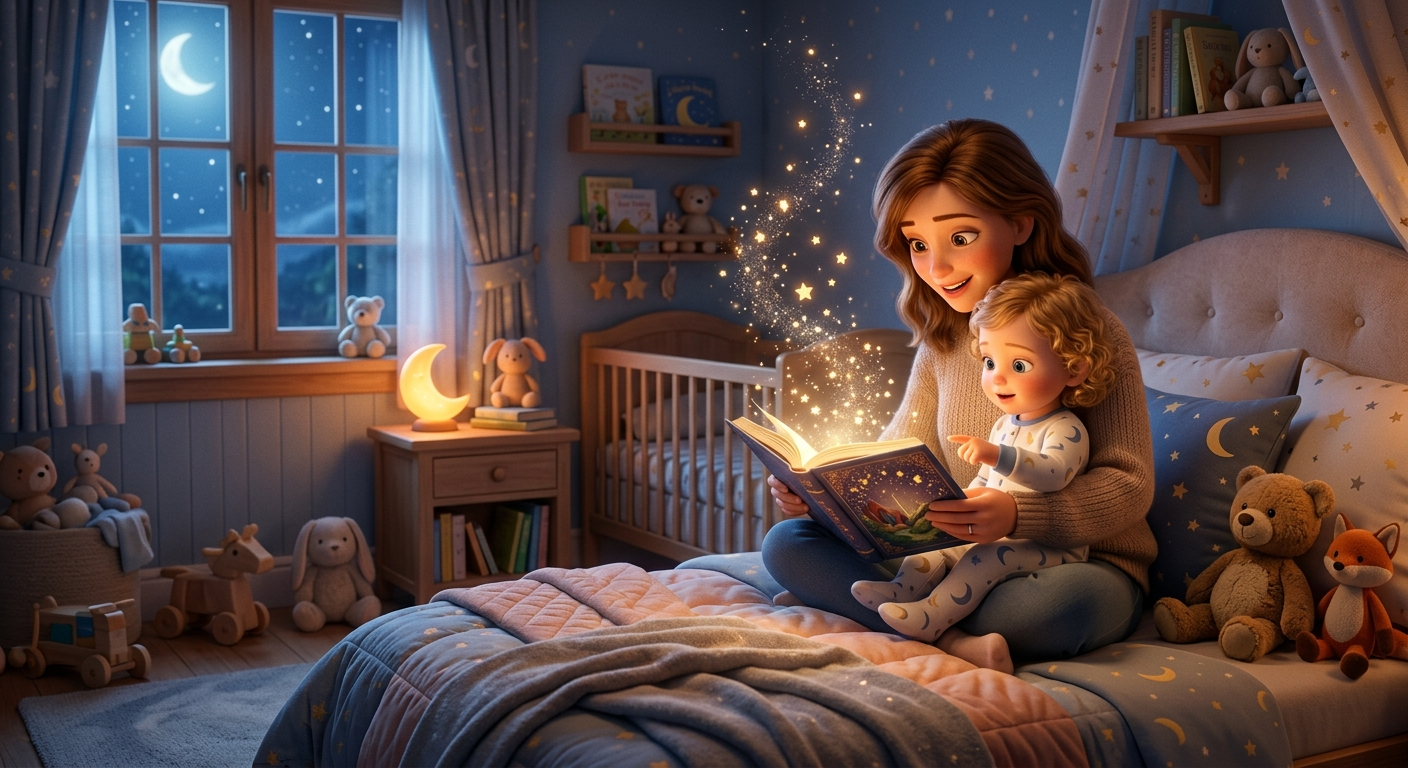
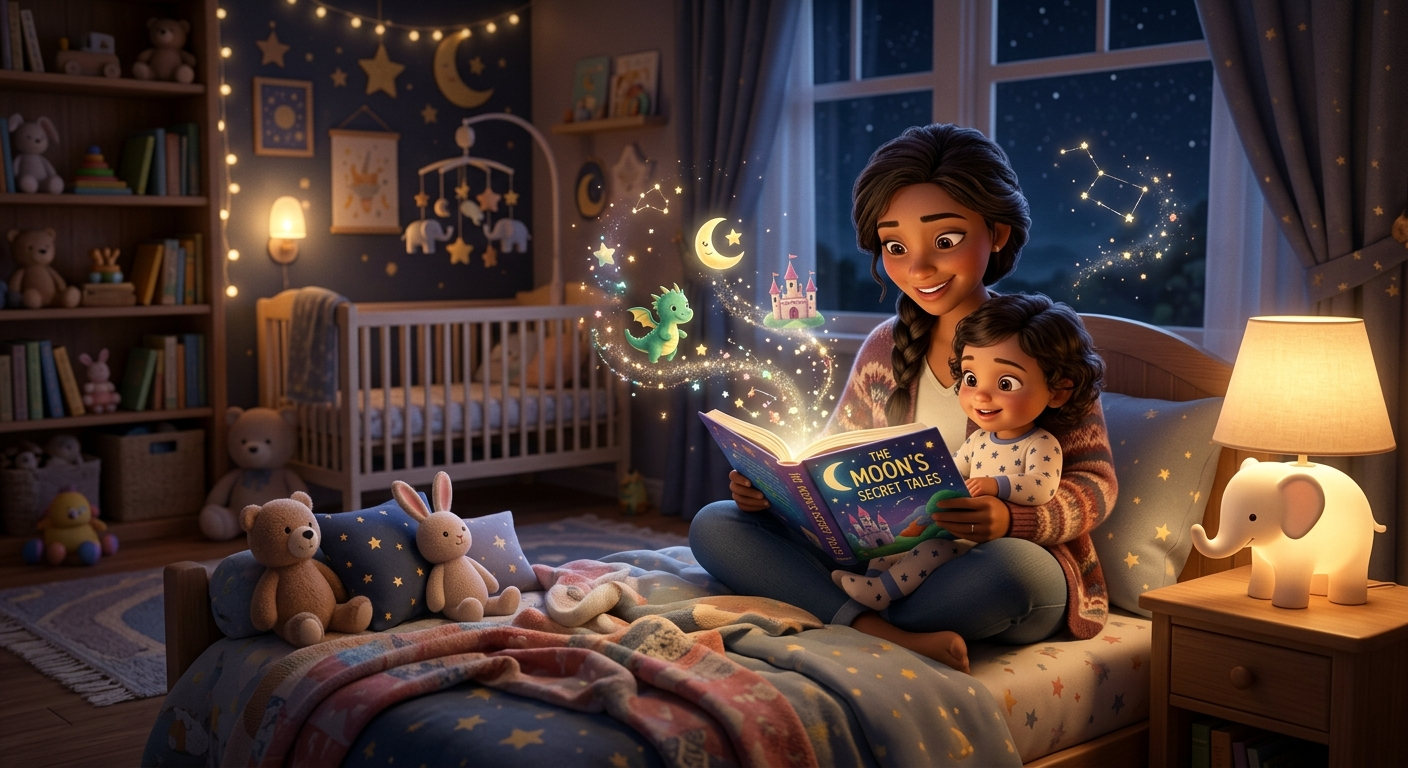
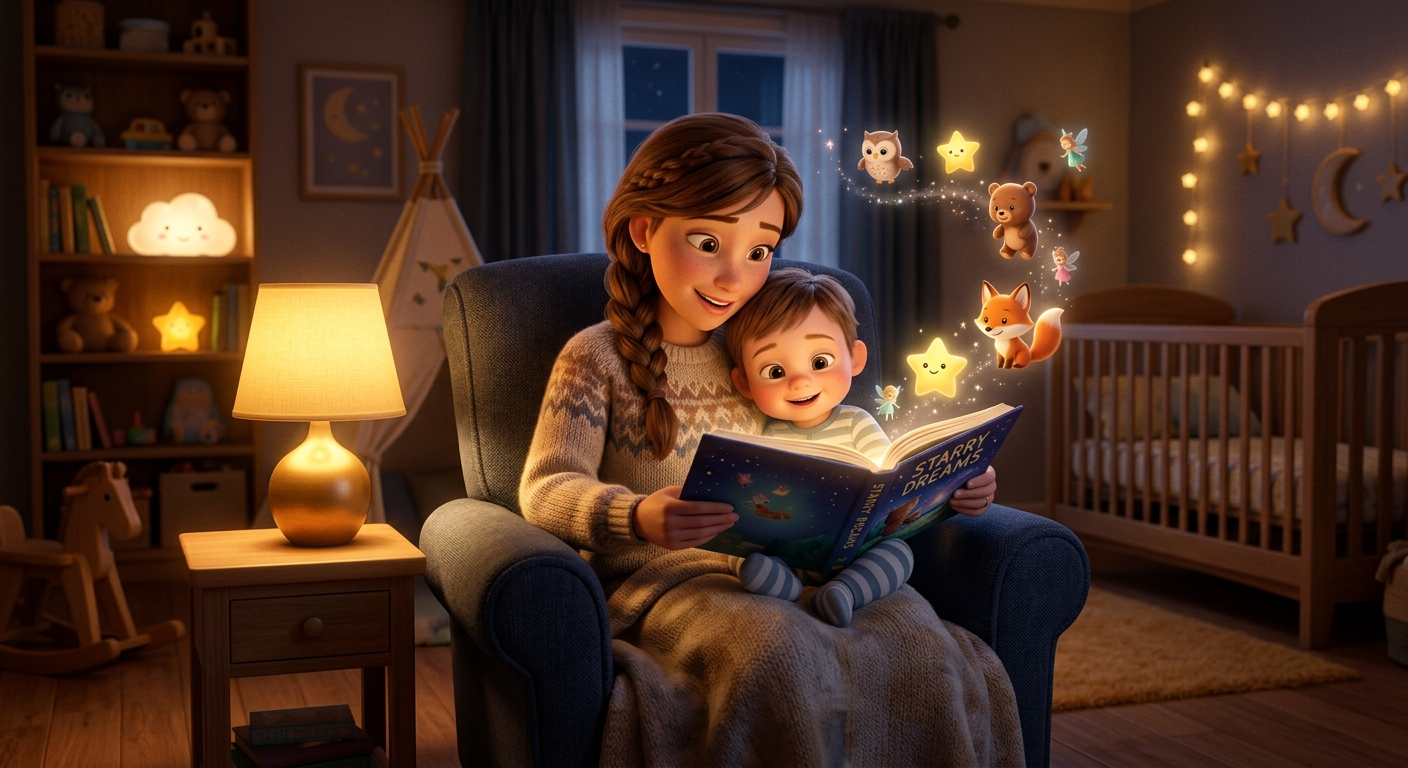
As the sun sets and the day winds down, there is no moment more precious than the quiet transition from play to rest. For parents of toddlers, the bedtime routine is often a whirlwind of pajamas and toothbrushes, but at the heart of it lies a powerful tool for growth: the bedtime story. Beyond being a sweet tradition, reading to your child before sleep offers transformative benefits for their developing minds and bodies.
Restful Nights: Setting the Stage for Sleep
Establishing a consistent bedtime routine acts as a signal to a toddler's brain that it is time to slow down. In an era dominated by screens, the soft light of a book—or even a gentle AI-guided story from Ministori—provides a necessary break from the blue light that can disrupt sleep cycles. Research shows that children who are read to at night fall asleep faster and experience deeper, more restorative rest. The rhythmic sound of a parent's voice acts as a natural sedative, lowering cortisol levels and creating a sense of safety that makes drifting off to sleep a peaceful experience. This psychological comfort reduces nighttime anxiety and helps children transition through sleep cycles more smoothly. The predictability of the story routine creates a psychological anchor. When a child knows exactly what to expect, their nervous system can fully relax, reducing the likelihood of night terrors or frequent waking.
A Growing Lexicon: Expanding Their World
Toddlers are like sponges, soaking up every sound and syllable they encounter. Reading introduces them to language that differs significantly from everyday conversational speech. While daily talk is often functional, stories use descriptive adjectives, complex sentence structures, and unique nouns. Exposure to diverse vocabulary in early childhood is one of the strongest predictors of future academic success. By introducing words like 'starlight' or 'courageous,' you are giving your toddler the building blocks they need to express complex emotions and ideas.
- Contextual Learning: Seeing illustrations while hearing words helps children map meanings to sounds instantly.
- Repetition: Favorite stories allow toddlers to hear the same words repeatedly, which is essential for long-term memory retention.
- Interactive Dialogue: Asking your toddler what they think happens next or identifying colors on the page encourages them to practice their own speaking skills.
Building a Lifetime Bond
At Ministori, we believe that every story is an opportunity for connection. When you sit close and share an adventure, you are building emotional security. This bond creates a positive association with books that can lead to a lifelong love of reading. The physical closeness during reading releases oxytocin, the 'cuddle hormone,' which strengthens the parent-child relationship. Whether it is a tale of a brave little mouse or a personalized journey where your child is the hero, these moments are the building blocks of their identity and imagination. This sense of belonging is vital for a child's confidence as they begin to navigate the world outside the home.
How to Make the Most of Your Reading Time
To maximize the benefits, try to make reading a dialogue. Point at the pictures, use silly voices for different characters, and let your child turn the pages. Remember, it is not about finishing the book as quickly as possible; it is about the quality of the engagement. By dedicating just fifteen minutes every night to a story, you are giving your toddler the gifts of language, logic, and a good night's sleep. Your presence and the magic of a story are the best ways to end any day, ensuring your little one feels loved and ready for tomorrow's adventures.
Similar Posts

March 31, 2026
kaya adnan
March 25, 2026
kaya adnan
March 20, 2026
kaya adnan
March 18, 2026
kaya adnan